.jpg?width=68&height=68&name=Brian-Headshot%20(2).jpg)
Are you organising or attending an academic conference? Don’t sweat it, read on to ease your initiation.
In this guide, you’ll learn the full conference lifecycle—from abstracts and peer review to presentation formats, preparation tips, and what to expect onsite or online. This overview sets the stage for a clear, step-by-step understanding of research conferences so readers know exactly what they’ll gain from the rest of the article.
A scholarly conference (sometimes called a research conference, academic congress, academic meeting or symposium) is a meeting which researchers attend to present their findings and hear about the latest work within their field. These events are usually organised by associations or groups of independent researchers under the watchful eye of a scientific or technical committee who ensure the technical quality of the research that’s presented.
Academic conferences aren’t just for academics, and they come in all shapes and sizes. From small local meetings to global events with thousands of international attendees. And while some conferences focus on highly specialised topics within a single discipline, interdisciplinary conferences often bring together a wide variety of perspectives from academics, the industry and practitioners across several disciplines.
What Is an Academic Conference and Why Do They Matter?
Attending an academic conference can be one of the most intellectually invigorating experiences the research world has to offer. They offer the opportunity to peer over the fence and see what’s going on outside of a particular speciality. And in doing so, they help researchers forge new connections, build on their research and enrich their career.
But it’s not a secret that lots of people don’t get the full benefit that a research conference offers. Most of us have attended professional conferences and meetings, but an academic conference inhabits its own world. A world filled with abstracts and “camera-ready” papers, peer review and poster sessions. And successfully navigate this world, you need to get familiar with how an academic conference works.
Having a clear purpose is essential when organising a scholarly event. It guides every aspect of the event, from the structure and content to the selection of speakers and attendees. It ensures the programme is focused, engaging, and relevant, attracting the right audience and fostering meaningful discussions and collaborations. A well-defined purpose also makes it easier to measure the success of the conference by aligning outcomes with the event’s academic or research goals, ultimately enhancing its impact on the field.
What are the best practices for organising a conference?
- Start early with a detailed timeline.
- Use integrated conference management software.
- Diversify your speaker lineup.
- Test AV and virtual tools well in advance.
- Include breaks, informal networking spaces, and accessible content delivery.
- Debrief afterwards and document what worked—and what didn’t.
Let’s dive in.
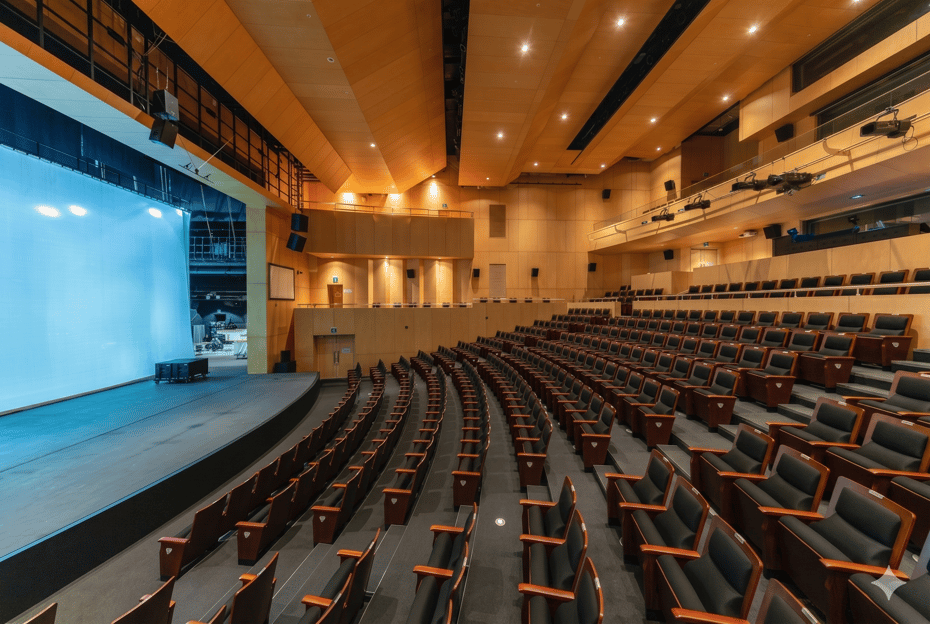
What happens at a research conference?
A conference is an opportunity for academics and researchers to present and discuss their latest work. And discover new and interesting developments in their field. Which means that almost everyone who attends an event like this also presents at it. For this reason, the typical medium-to-large academic conference has a programme packed full of short presentations across a variety of topics. These are often arranged into parallel “streams” that have sessions which run simultaneously.
Thanks to the influence of commercial conferences and the rising popularity of “un-conferences” that operate without a predefined structure, the rigid grip of the traditional academic conference format is loosening.
What Are the Different Types of Conference Sessions?
Plenary sessions
While most of the larger academic conferences are structured along parallel streams, a plenary session is a session which all delegates are encouraged to attend. Plenary sessions may include a keynote session, panels or other types of presentations.
Keynote sessions
A keynote session is usually a major draw for conference delegates. Keynote speakers are intended to set the tone for the whole conference and foster a sense of collective academic endeavour.
Panel sessions
Panels usually involve multiple researchers discussing and perhaps debating one topic. These sessions can take many forms, with panellists delivering prepared statements or diving straight into answering questions from the session chair or the audience. But regardless of format, they’re designed to elicit an exchange of viewpoints among the experts on a topic.
Oral sessions
These sessions typically involve multiple presenters giving talks on separate papers that share common themes or topics. Each presenter is allotted an amount of time to speak (usually around 10 minutes) with some added time for a question-and-answer session with the audience after each presentation.
Poster sessions.
The typical poster presentation involves creating a physical (or digital) poster that’s displayed in the halls at an academic conference. Posters are usually presented at the same time (usually over several hours) in the same room. And unlike the time constraints of oral sessions, poster presentations allow delegates to take their time studying work and discussing it with the presenter in detail.
Workshops
Conferences often hold tutorials or workshops on subjects like science communication or advice on getting published in top journals. These are often geared towards researchers who are beginning their careers. This can have the added benefit of acting as a good opportunity for connecting attendees who are at a similar career level.
Roundtable Discussions
Many conferences in academia will organise small, informal group discussions on specific topics. The roundtable discussion will discuss those topics in detail.
Symposia
These are thematic sessions with multiple speakers presenting related research. Symposia are often smaller in size for a shorter duration. These submissions are submitted as a collective panel and peer reviewed by a group.
Lightning Talks
Often used to generate sponsorship revenue, lightning talks are short, rapid presentations, typically 5–10 minutes long.
Breakout Sessions
Conference breakout sessions are typically used to gather delegates in smaller groups and get them engaged with a workshop or discussion. They offer people the chance to discuss, challenge or act on information they’ve learned at your event.
How Do You Submit an Abstract or Paper to a Conference?
One of the most intimidating aspects of academic conferences for newcomers is the process of submitting an abstract or paper and navigating the peer review system. This section provides a clear, step-by-step breakdown of that journey, from the initial call for papers to the final presentation and publication.
The Call for Papers (CfP)
The journey begins when the organising committee issues a Call for Papers.
-
Understanding the Scope: The CfP will detail the conference's theme, specific tracks, and the types of submissions accepted (e.g., abstracts, full papers, posters). Read this carefully to ensure your research is a good fit.
-
Key Dates: Note the critical deadlines for abstract submission, notification of acceptance, and final paper submission. Missing these dates can mean your work isn't considered, so be meticulous with your planning.
The Submission Process
-
Writing Your Abstract: An abstract is a concise summary of your research, typically 250-500 words. It should clearly state the research question, methodology, key findings, and conclusion. A strong conference abstract is critical as it's the first thing reviewers will read.
-
Using the Submission System: Most conferences, like those managed with a platform such as Ex Ordo, use dedicated software for submissions. The system will guide you through the process, which often involves providing author details, institutional affiliations, keywords, and uploading your anonymised paper file if it is a double-blind review.
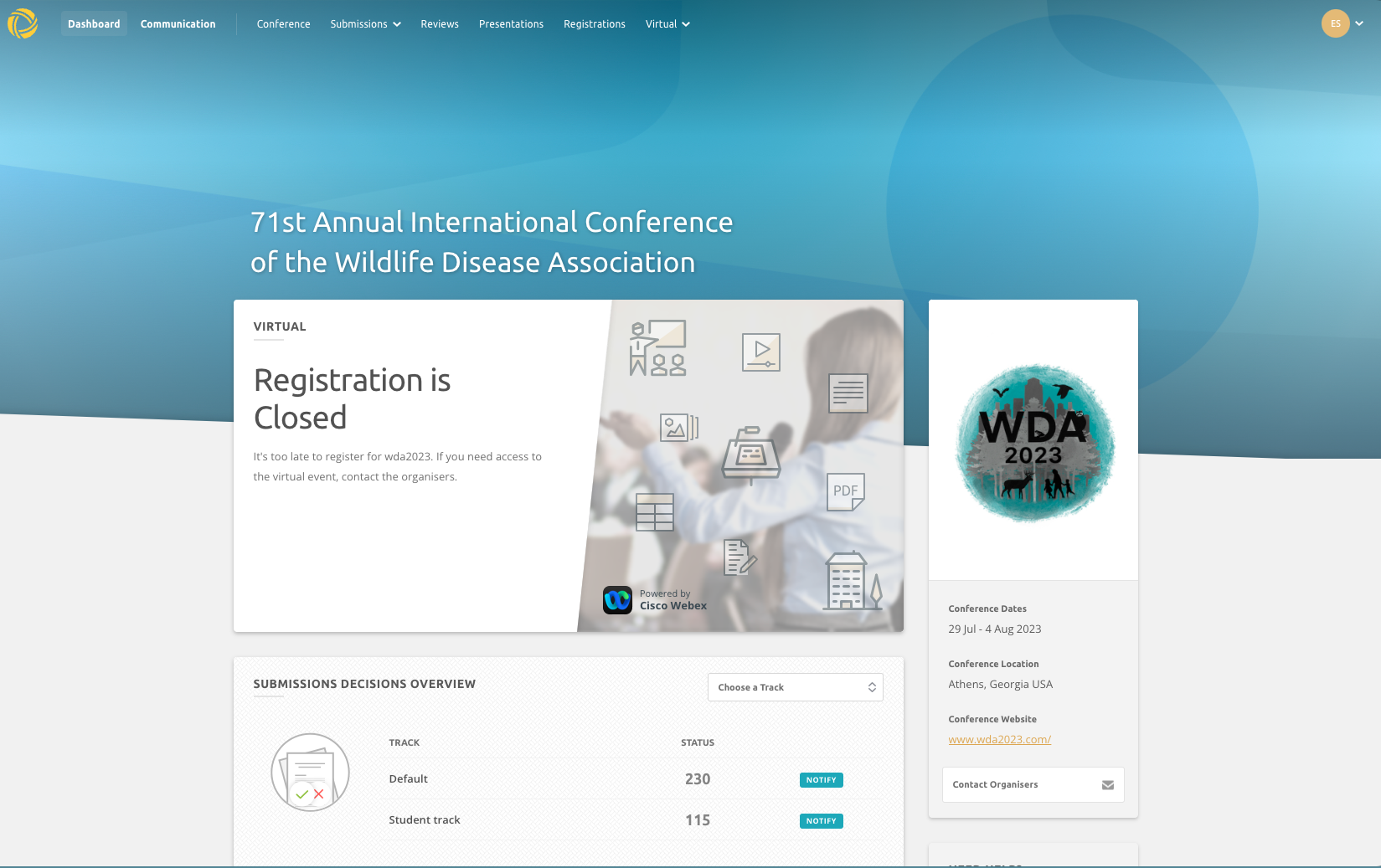
“Using Ex Ordo was a no-brainer for us, our members are happy with it after using it since 2016. What they want matters most but we’re more than happy with the support we get along with the user-friendly abstract submission and registration system.”
Peri Wolff | Executive Manager | Wildlife Disease Association
The Peer Review Process
This is the quality control mechanism of academia.
-
The Reviewers: Your submission is sent to two or more experts in your field who evaluate its originality, significance, methodology, and clarity. The review process can be single-blind (reviewers know who you are), double-blind (neither you nor the reviewers know each other), or open (everyone's identity is known). Double-blind review is common for ensuring impartiality.
-
The Decision: The reviewers' comments and recommendations are sent to the Programme Chair, who makes the final decision: accept, reject, or revise. You will be notified of the decision and provided with the anonymised feedback.
-
Revision: If you are asked to revise and resubmit, this is a positive sign! It means the reviewers see potential in your work. Incorporate their feedback to strengthen your paper before the final deadline.
Presentation and Publication
-
Presenting Your Work: Accepted papers are presented as either an oral presentation (a talk) or a poster session. Both are excellent opportunities to share your work and get feedback.
-
Proceedings: Many conferences publish the accepted papers in a collection known as the conference proceedings, which can be a valuable academic publication.
By demystifying this rigorous process, new researchers can approach the submission journey with confidence and a clear understanding of what to expect from the start.
Reasons to attend an academic conference
If you’ve never attended an academic conference before, you could be forgiven for thinking that the main point of going is to present your research. Presenting at a conference means exposing your ideas to experts in your field and inviting questions and comments that will ultimately strengthen your work.
But while presenting is certainly important, it’s only one slice of the pie. There is a whole tranche of other reasons to attend an academic meeting.
Research submitted to an academic journal will often be re-drafted many times over. With perhaps many months passing between the first draft being submitted and the date of publication. However, most academic conferences accept findings that are a little more rough-hewn. So attending conferences is a great way to keep up with emerging trends in your field.
And because there’s so much information packed into a well-structured academic conference, attending presentations will give you just enough information to identify whether you want to find out more about the speaker’s work.
What do you do when you're meeting other researchers?
Which brings us neatly to one of the most valuable reasons for attending an academic conference: meeting other researchers. Think of presentations as billboards for ideas: you see the billboard and it piques your interest, then you follow up. Conferences are wonderful sources of chance conversations and cross-pollinations. And the attendees who get the most value from attending them follow up with everyone who’s presentation caught their attention. This could be by approaching the speaker in the hall or hitting them up on the conference app to arrange a meeting over a coffee or a beer and dive into their work in depth.
It’s always helpful to hear others’ perspectives on careers and research, and attending conference social events can also sometimes be as useful as showing up at technical sessions. Coming prepared with the right digital business cards means you can share your details instantly with anyone you meet over lunch or coffee, without fumbling for paper cards or hoping they'll remember your name. Or discuss the presentations that had the most impact. Most conferences also hold events that are targeted at event first-timers or young researchers, and these are a really useful way to find your tribe.
Not everything of value happens onsite at the conference, either. Attending a conference means you’ll receive a set of proceedings (also called a book of abstracts or book of papers). This is the official record of a conference, and it might be a hard copy or a digital version. These usually contain an abstract (and sometimes the full paper) of every presentation given at the event. And they’re a treasure trove of the latest research in your field. Once you get home from the conference and have some space to think, they’re a great jumping-off point to explore further research, and give you a point of conversation to introduce yourself through LinkedIn to presenters you didn’t get the chance to meet in person.
Submitting to a conference
So, how do you get your work accepted for publication at a conference in your field? Academic conferences are usually announced via a call for papers (also known as a call for abstracts or conference announcement email), and they’re also often listed on conference announcement sites. These call for papers will outline that year’s conference topics and detail how to submit your conference abstract.
Conferences often allow you to select what type of presentation to submit your work for, with the most common options being a talk (as part of an oral session) or a poster. A talk is great for getting your name out there, as it may be part of a large oral session. But if you think your work isn’t ready for a talk yet – or you think you’re likely to spend the majority of your first conference stressing out about giving one, you may be better off submitting a poster.
Presenting a conference poster is a bit like repeating the same talk to a revolving audience of one. Your poster should ideally be effective enough to communicate the main points of your work on its own, and you are there to answer any additional questions with no set time limit. Scientist Sees Squirrel gives a really thorough breakdown of the oral vs poster pros and cons.
What forms can a submission take?
Submissions can take the form of an abstract, an extended abstract or a paper. And learning how to write a strong abstract for your submission is a skill that will serve you well throughout your career. The purpose of a conference abstract is to summarise – in a single paragraph – the major aspects of the paper you want to present. So it’s important you learn to write one that’s complete but concise. It’s also often the only aspect of your work that conference organisers will see, so it needs to be strong enough to stand alone. And whether you’re submitting your work by email or by uploading it via conference management software, make sure you follow the conference submission guidelines to a T.
To be accepted for presentation at an academic conference, submissions are assessed by a panel of reviewers. These reviewers are experts in their field who give their time voluntarily and provide written, unbiased feedback on submissions. They may also advise the organisers on which type of presentation best suits a particular submission.
To ensure the review process is fair, your submission may be reviewed under single-blind conditions (the reviewer knows who the researcher is) or double-blind conditions (the reviewer doesn’t know who the researcher is). Some conferences have a two-stage review process, and reviewers may request corrections if they think it’s necessary. We call the final corrected copies of submissions “camera-ready,” which means they are ready for publication in the conference proceedings.
Addressing Virtual and Hybrid Academic Conferences
As the academic landscape evolves, virtual and hybrid conferences have become increasingly popular, allowing attendees from around the world to participate without the need for travel. While these formats offer flexibility and convenience, they also require a different approach to ensure an engaging and successful experience.
.jpg?width=1200&height=628&name=Virtual%20event%20planning%20(1).jpg) For virtual conferences, preparation is key. Attendees should ensure they have a reliable internet connection, appropriate software (such as Zoom, Microsoft Teams, or event-specific platforms), and a quiet, well-lit space for attending sessions. It’s important to test your equipment beforehand to avoid technical issues during presentations. Active participation in Q&A sessions, chats, and networking lounges can enhance your engagement, as virtual environments can sometimes feel detached compared to in-person events. Additionally, creating a digital presence through your profile and social media platforms can help foster connections and visibility.
For virtual conferences, preparation is key. Attendees should ensure they have a reliable internet connection, appropriate software (such as Zoom, Microsoft Teams, or event-specific platforms), and a quiet, well-lit space for attending sessions. It’s important to test your equipment beforehand to avoid technical issues during presentations. Active participation in Q&A sessions, chats, and networking lounges can enhance your engagement, as virtual environments can sometimes feel detached compared to in-person events. Additionally, creating a digital presence through your profile and social media platforms can help foster connections and visibility.
For hybrid conferences, where both in-person and virtual elements coexist, the challenge lies in creating a seamless experience for all participants, regardless of their location. Organisers should ensure that both audiences have access to the same content in real-time, including live streams of sessions and interactive elements like polls or chatrooms. Networking opportunities should also be extended to virtual attendees, with dedicated spaces for online discussions and matchmaking features that allow remote participants to meet and collaborate with in-person attendees.
By embracing these formats with the right preparation and strategies, attendees can still benefit from the knowledge-sharing, networking, and engagement that academic conferences offer, even if they aren’t physically present at the event.
Funding your trip
Between paying registration fees, getting there and having a roof over your head, the costs of attending a research conference add up.
Having said that, it’s pretty common for conference organisers to offer cheaper fees to researchers who are from developing countries or are just beginning their careers. And because some universities or research institutes may also require you to publish in or attend conferences. They often offer funding to help cover the cost of fees, too. Many researchers who are just starting out in their career may also qualify for travel grants to help them get there.
If you’re not sure how to even begin investigating what funding is available to you, ask your academic supervisor. Or ask your department head or your HR department what options are open to you. And don’t be afraid to contact the conference organisers directly. They’re not always fantastic about promoting the grants they have, so if the conference website is thin on info, it’s worth asking them directly. Conferences also often look to minimise their costs by looking for student volunteers on site. They may offer you a volunteering role instead of paying full fees.
It’s also worth following the conference's social media hashtags or getting active on its mobile app to see if any delegates who live near the venue are willing to host people in their homes. Or if people are willing to split the cost of accommodation.
Presenting at a Research Conference
Delivering a successful presentation at a scholarly event requires more than just knowing your material. It’s crucial to structure your presentation clearly, starting with an introduction that outlines your main points, followed by the body where you present your findings, and concluding with a strong summary of key takeaways. Using visuals such as slides, charts, and diagrams can help simplify complex concepts and engage your audience, but remember to keep them clear and uncluttered. Practice your presentation multiple times to refine your pacing and delivery, and rehearse in front of others to gain feedback. The more confident and prepared you are, the smoother your presentation will go.
Engaging your audience is also key to a successful presentation. Ask thought-provoking questions, encourage interaction through live polls, and create space for discussion to make your presentation more memorable. If you’re presenting virtually, use the chat function and interactive features to keep attendees involved. Lastly, be prepared for questions, anticipate possible inquiries, and be open to feedback. Managing your nerves is also important—focus on your breathing and remind yourself that the audience is there to learn from you, not judge you. With practice and preparation, you’ll be able to deliver a clear, engaging, and impactful presentation.
Pre-conference prep
And finally, as well as preparing your presentation, you should do some pre-conference prep. Academic conferences can be tough going for the uninitiated. But there are plenty of tactics you can employ to help you survive your first conference without crying.
Conclusion
Research conferences are essential for sharing research, networking, and advancing your career. By understanding the full lifecycle—from selecting the right conference and submitting your abstract, to preparing your presentation and navigating sessions—you can make the most of every opportunity.
Attending or presenting at a conference doesn’t have to be overwhelming; with the right preparation and guidance, it can be a rewarding and confidence-building experience.
Ready to simplify your conference experience? Download the No Panic Guide to Organising Scholarly Events and ensure you’re fully prepared for your next Scholarly event.
FAQ
-
What is a research conference exactly — and what happens there?
- A research conference is a structured event where researchers, scholars, and professionals gather to share their work, exchange ideas, and build networks.
- Conferences usually include keynote talks, panel sessions, oral presentations, poster sessions, workshops, and networking events.
- Presenters share new research, get feedback, and learn about emerging developments in their field.
- For attendees, it’s a chance to deepen knowledge, collaborate, and become part of the wider academic community.
-
How do I submit a paper or abstract to a conference (and what does peer-review / acceptance involve)?
- Most conferences issue a “Call for Papers” (CfP) that outlines deadlines and submission guidelines. Authors submit an abstract or a full paper through an online system.
- Submissions are then reviewed by experts in the field through a peer-review process. Reviewers evaluate relevance, quality, originality, and clarity.
- Based on scores and feedback, the conference committee accepts submissions as oral talks, posters, or workshops — or declines them. If accepted, authors prepare their final presentation and submit revised materials before the event.
-
What types of conference presentations exist (oral talk / poster / workshop / virtual / hybrid) — and which should I choose?
- Common formats include:
- Oral presentations – A timed talk, usually 10–20 minutes, followed by questions. Good for presenting mature research.
- Poster sessions – Informal, visual displays where presenters discuss their work one-on-one. Ideal for preliminary research or interactive conversations.
- Panel discussions – Multiple speakers explore a single topic or theme together.
- Workshops – More hands-on or instructional sessions with audience participation.
- Virtual or hybrid formats – Online talks, prerecorded presentations, or livestreamed sessions for remote attendees.
- Your choice often depends on acceptance type, research stage, and how much interaction you want with the audience.
- Common formats include:
-
How do I know if a conference is legitimate (not predatory or “fake”)?
- Check for these signals:
- A reputable organising body, university, or professional society.
- A clearly documented peer-review process.
- Recognised keynote speakers or program committee members.
- Realistic acceptance rates and timelines (predatory events accept almost everything).
- A professional, updated website with clear contact details.
- Past proceedings published with respected publishers or databases.
- If something feels off — extremely high fees, fast acceptance with no review, or aggressive email invitations — it’s wise to avoid the event.
- Check for these signals:
-
How should I prepare for attending or presenting: what to bring, how to network, and how to make the most of it?
- Before attending, review the schedule, choose relevant sessions, and set goals for what you want to learn or who you want to meet.
- Bring business cards (or digital contact info), chargers, your presentation materials, and copies of your slides or poster.
- For networking, start with simple conversations and attend social events and breaks — these are often where the most valuable connections happen.
- After the conference, follow up with people you met and share your work online if appropriate.
-
Can I attend a conference without presenting anything — and is that worth it?
- Yes — many students and early-career researchers attend without presenting.
- It can be extremely valuable: you can learn how conferences work, discover new research trends, observe presentation styles, meet respected scholars, explore potential collaborators or advisors, and gain confidence before submitting your own work in the future.
- Many conferences even offer reduced registration rates for non-presenters or students.
-
What are important etiquette or “unwritten rules” at conferences — e.g. asking questions, networking, follow-up, etc.?
- Common best practices include:
- Arrive early for sessions and avoid leaving mid-presentation unless necessary.
- Ask clear, concise, respectful questions — and avoid turning them into mini-lectures.
- Respect time limits for conversations, especially when approaching senior researchers.
- Be thoughtful with social media posts — some conferences restrict sharing unpublished work.
- When networking, focus on genuine curiosity instead of self-promotion.
- Follow up professionally afterward, ideally with a short, personalised message.
- Common best practices include:
.jpg?width=1200&height=800&name=Conference%20organising%20committee%20(1).jpg)
.png?width=1200&height=800&name=Paperwork%20%20(1).png)